Growing Readers, Thinkers, and Creators: Five Literacy Practices
Published on June 30, 2026
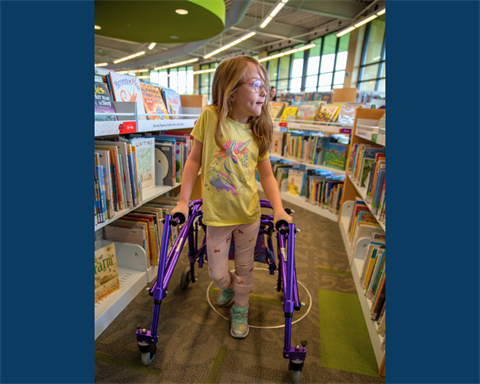
Children in Kindergarten through 5th grade are at an exciting stage of learning. They are continuing the literacy skills they began developing in early childhood while moving from learning how to read to reading to learn. The Five Literacy Practices—Read, Write, Talk, Play, and Sing—provide a framework for helping children grow as confident, thoughtful, and creative readers.
These practices build on the five early literacy practices from Birth–5, supporting families as children develop independence, critical thinking, and curiosity. Here are ways to incorporate these practices for school-age children.
 Read
Read
Explore stories, information, and media.
Reading strengthens vocabulary, comprehension, and thinking skills. It helps children understand the world and supports the shift from learning how to read to using reading as a tool to discover new ideas.
Ways to encourage reading:
- Set aside 15–20 minutes each day for independent or family reading. Build it into a daily habit, such as by making it part of your bedtime routine.
- Take turns reading aloud and discussing favorite parts.
- Explore different genres, including fiction, nonfiction, poetry, and graphic novels.
- Develop and practice core reading skills with reading kits.
Write
Share ideas and imagination.
Writing gives children a chance to express themselves through stories, journals, reports, reflections, or comics. Writing, paired with storytelling and discussion, helps kids organize their thoughts and communicate clearly.
Ways to encourage writing:
- Encourage your child to keep a journal or create a comic book.
- Try fun writing prompts like, “What would you do if…?” or “Tell a story about…”
- Invite your child to share their writing with family, friends, or a book club.
Talk
Discuss, collaborate, and reflect with others.
Talking helps children build language, social skills, and flexible thinking. Through conversation, children learn to work with others, share discoveries, and solve problems.
Ways to encourage talking:
- Ask open-ended questions about stories or experiences.
- Invite children to teach a family member something new.
- Participate in storytelling activities, read-alouds, or library programs together.
Play
Engage in hands-on experiments, games, and imaginative activities.
Play continues to be a powerful way to learn. STEM challenges, strategy games, design projects, and imaginative role-play allow children to test ideas, solve problems, and explore creatively.
Ways to encourage play:
- Provide opportunities to build with blocks or other construction toys.
- Experiment with discovery kits or adventure kits.
- Encourage dramatic play or pretend scenarios.
- Play strategy games that require planning and problem-solving.
Sing
Perform, create, and communicate through music and movement.
Singing, music, and arts activities help children communicate, build confidence, and strengthen memory and language skills. They also nurture joy, creativity, and a sense of identity in learning.
Ways to encourage singing and creative expression:
- Combine music and movement with reading or writing projects.
- Explore songs, rhymes, or music activities together.
- Perform skits, readers theater, or storytelling projects.
- Invite your child to create art or music and share them with others.
Bringing it all together
By incorporating Read, Write, Talk, Play, and Sing, families can continue to build the skills children started developing in their early years. These practices help children grow into independent, confident readers who enjoy learning and exploring the world through books, creativity, and hands-on experiences.